🐾
🐾 Ultimate guide · Updated in October 2026
How to choose a truly pet-friendly hotel in Europe
This guide saves you from unpleasant surprises at check-in. Because "pet-friendly" can mean anything from a grudging tolerance to a genuine welcome kit for your dog.
🔎"Pet-friendly" means very different things
You search for "pet-friendly hotels", you filter, you book, and you arrive at the front desk with your dog to discover a €50/night surcharge, a ban from the breakfast room, and a laminated sign saying "pets must not be left unattended at any time". Welcome.
At the other end of the spectrum, truly pet-welcoming hotels offer a dog welcome kit (treats, a toy, a bowl), a dedicated dog menu at the restaurant, staff who know the best local dog walks, and a ground-floor room with direct garden access. These hotels exist across Europe at all price points.
The problem is that booking platforms use the same "pet-friendly" label for both. This guide teaches you to tell them apart before you arrive.
🚩Red flags: warning signs in hotel descriptions
Spot these phrases in a hotel description or policy and proceed with caution, or with a phone call.
⚠️
"Pets considered"
This means they'll let you know whether your specific pet is welcome. Translation: not really pet-friendly.
⚠️
"Small pets only" (no size defined)
What counts as small? 5 kg? 10 kg? If there's no weight stated, your 12 kg Beagle might be turned away at the door.
⚠️
"Pets allowed in outdoor areas only"
Your dog waits outside while you sleep, eat, and exist. Read: your dog stays tied to a post in the car park.
⚠️
No mention of weight or breed restriction, but 5 kg cap in fine print
Always read the full pet policy, not just the filter result. Booking.com's "pet-friendly" badge doesn't guarantee your specific dog qualifies.
⚠️
"Pet fee charged at check-in" (no amount stated)
A blank cheque you sign at midnight after a long drive. Always confirm the exact amount before booking.
⚠️
"Pet-friendly rooms available"
Often means one specific room, farthest from the lift, facing the service entrance, booked solid for the next six months.
⚠️
No mention of pets on the website at all
If a hotel is proud of being pet-friendly, they say so loudly. Silence usually means they tolerate pets rather than welcome them.
✅Green flags: signs of a genuinely pet-friendly hotel
These are the things that separate hotels that welcome pets from hotels that merely allow them.
✓
Stated pet fee (or explicitly free)
Transparency about pricing is the most reliable indicator of a hotel that has thought seriously about hosting pets.
✓
No breed or weight restrictions (or clearly stated ones)
If they accept all breeds and sizes, or clearly state the limits, they've done the work of setting a real policy.
✓
Pet bed, bowl, mat provided on request
Shows infrastructure investment. These hotels have hosting pets built into their operations.
✓
Dog treats at reception or a dedicated dog menu
This is the gold standard. A hotel with a dog menu has genuinely embraced pet hospitality.
✓
Staff who know local dog walks
Ask when you call to confirm: "Can you recommend a dog walk nearby?" A good answer is a great sign.
✓
Ground floor rooms or guaranteed lift access
A pet-friendly room on the 5th floor with no lift is not actually pet-friendly for anyone with a large dog or mobility issues.
✓
Outdoor shower or paw rinse station
Thoughtful infrastructure. Especially useful after beach or countryside walks.
✓
Pet sitting or dog walking service available
Rare but wonderful. Signals a hotel that sees pets as valued guests, not problems to manage.
📋Questions to ask before you book
Call or email the hotel directly before confirming. These seven questions will tell you everything you need to know.
1
What is the exact pet fee per night, and is it per pet?
2
Are all room types and categories available with a pet, or only specific rooms?
3
Is there a weight or breed restriction? (State your dog's breed and weight.)
4
Is the fee refundable if the pet causes no damage?
5
Are pets allowed in common areas, lobby, restaurant, terrace, pool area?
6
Is there a designated outdoor relief area or nearby park?
7
Can we leave our pet unattended in the room? Are there any time limits?
💡
Pro tip: send these questions by email so you have the answers in writing. If the hotel's response is vague, evasive, or takes more than 48 hours, that tells you something too.
🖥️How booking platforms handle "pet-friendly"
🔵
Booking.com
Hotels self-declare as pet-friendly when setting up their listing. The filter shows all properties that have checked the box, but the box covers everything from "one cat under 3 kg" to "all pets welcome, no fee". The actual policy is buried in the property details tab. Always click through.
Tip: After filtering, click the hotel page and look for the "Pets" section under "House Rules". This often reveals weight limits, fees, and restrictions not shown in the main listing.
🔴
Airbnb
Hosts opt into a "pets allowed" setting. Cleanliness fees can be significant. Some hosts have undisclosed allergies or pet bans per their building rules. Message the host before booking to confirm your specific pet.
Tip: Airbnb's cancellation policies are stricter than hotel policies. Always confirm pet acceptance before paying the non-refundable service fee.
🟡
Expedia / Hotels.com
Similar self-declaration system to Booking.com. Pet policies vary widely. The "pet-friendly" filter is a starting point, not a guarantee.
Tip: Use these platforms to discover options, then verify directly with the hotel before booking for a pet stay.
✅
Direct hotel booking
Always the gold standard for pet stays. You can ask specific questions, request the best pet-suitable room, and sometimes negotiate the fee, especially outside peak season.
Tip: Many independent hotels offer their best pet policies when you book direct, because they can have a real conversation with you about your pet's needs.
The universal rule: filter on a platform to discover options, then call or email the hotel directly to confirm. This one step eliminates 90% of unpleasant check-in surprises.
💶What to expect to pay: pet fees in Europe (2025)
Pet fees vary enormously across Europe. Here is what is normal, what is acceptable, and what is excessive.
FreeFree / No fee
Increasingly common at independent hotels, boutique properties, and in very pet-friendly countries like Germany and the Netherlands. If a hotel advertises this, take them at their word, it's a genuine differentiator.
€5–€15/nightBudget-friendly
Standard for budget and mid-range hotels across Southern Europe (Spain, Portugal, Italy, Greece). Perfectly reasonable for what you get.
€20–€35/nightMid-range standard
Typical for 3–4 star hotels in France, Belgium, Switzerland, and Scandinavia. Often includes pet amenities. Acceptable if the hotel genuinely caters to pets.
€50+/nightLuxury tier
Common at five-star and design hotels. Can include premium services (pet menu, pet sitting, specialist bedding). Some charge flat fees per stay rather than per night.
€80–€150+Red flag territory
At this level, ask what the fee covers. If it's just a surcharge with no services, negotiate, or walk away. Some city hotels in Paris and London have historically charged outrageous amounts with zero corresponding service.
Note: some countries add a city tax for pets separately. Always confirm the total amount including any cleaning deposit, which is typically refundable.
🏨Types of pet-friendly hotel: which is right for you?
🐕
Dog-friendly hotels
The most common category. Look for properties that explicitly welcome dogs of all sizes, have outdoor space, and are near parks or walking routes.
Browse dog-friendly hotels →🐈
Cat-friendly hotels
Less common and often overlooked. Cats have different needs: indoor comfort, no canine neighbours, quiet floors. Some hotels explicitly cater to cats with designated zones.
Browse cat-friendly hotels →🆓
Dogs stay free
A growing segment across Europe. Many independent and boutique hotels have dropped pet fees entirely as a competitive differentiator. Worth filtering specifically for this.
Find hotels with no pet fee →⭐
Luxury pet stays
Five-star hotels in cities like Paris, London, Rome, and Zurich increasingly compete on pet hospitality: welcome gifts, in-room dog menus, dedicated concierge services, and pet-sitting.
Explore luxury pet hotels →🌲
Near-park & countryside stays
For dogs that need space: hotels near national parks, forests, or coastal paths. Outdoor shower stations and drying rooms are standard in this category.
Countryside pet-friendly hotels →❓Frequently asked questions
What is the average pet fee at a hotel in Europe?
In 2025, the average pet fee at a European hotel ranges from free to around €25 per night. Budget properties in Southern Europe typically charge €10–15/night. Mid-range hotels in France, Belgium, and Scandinavia average €20–30/night. Luxury hotels can charge €50 or more, sometimes with a per-stay flat fee rather than a nightly charge. Germany and the Netherlands have a large proportion of hotels that charge nothing at all.
Can I leave my dog alone in a hotel room?
Policies vary enormously. Many hotels allow it for short periods (2–3 hours) if your dog is crate-trained and won't bark. Others prohibit it entirely. Some require pets to be crated even when you're present. Always ask explicitly before booking, don't assume. If you need to leave your dog regularly, look for hotels with pet-sitting services or those located near doggy daycare facilities.
How do I know if a hotel is genuinely pet-friendly vs just tolerating pets?
The clearest indicators are: (1) transparency about fees with no hidden surprises, (2) specific amenities mentioned (pet bed, bowls, treats, dog menu), (3) staff who can answer your pet-specific questions knowledgeably, and (4) online reviews from other pet owners mentioning their experience. If a hotel's pet policy is a single line saying "pets allowed, fee applies", treat it as tolerance rather than welcome.
Are there weight limits I should know about before booking?
Yes, weight limits are the most common source of check-in surprises. Many hotels nominally labelled "pet-friendly" on booking platforms have a 5 kg or 8 kg limit buried in their full policy. Dogs over 10 kg often face restrictions or are banned entirely. Always state your dog's breed and weight when enquiring, and get written confirmation that your specific dog is accepted.
Is Booking.com's pet-friendly filter reliable?
As a starting point, yes. As a guarantee, no. The filter shows hotels that have self-declared as pet-friendly, but policies vary dramatically. Always click through to the hotel's full "House Rules" section on Booking.com, and ideally call or email to confirm before booking. This applies to all booking platforms, the filter narrows the field but doesn't do your due diligence for you.
What's the difference between "pet-friendly" and "dogs stay free"?
"Pet-friendly" means pets are allowed, but typically with a fee. "Dogs stay free" is an explicit policy by the hotel that no pet surcharge applies. The second category is smaller but growing. At HotelsWithPets.com you can filter specifically for no-fee properties to avoid any ambiguity.
Do I need to declare my pet when booking online?
Yes, always. Failing to declare your pet during booking and arriving with one is dishonest and can result in being asked to leave, especially if the hotel has limited pet-designated rooms. It also voids any pet-damage policy protections you might otherwise have. Always tick the pet declaration box, state your pet's type and size, and confirm directly with the hotel.
Keep exploring
Top pet-friendly destinations in Europe
Find the best hotels for your pet in these destinations
All practical guides
Travel confidently with your pet across Europe, guide by guide.
🇬🇧→📋→🚂→✈️→🚗→🚂→🌊→🌅→🏔️→🏆→📘→🚆→🛂→📊→🗓️→🏖️→🔒→🏝️→🏖️→🌊→🏔️→🌊→🇵🇹→🇩🇪→🇦🇹→
Where to go for the 2027 UK school holidays
Every UK holiday, travel times + hotels by budget
Pet passport by country
Microchip, rabies vaccine, country rules
Train travel with your dog
SNCF, Eurostar, DB, Renfe, Trenitalia…
Flying with your pet
Cabin vs hold, airlines, IATA
Road-tripping with your dog
Laws by country, Eurotunnel, ferries
European city trip with your dog
Paris → Brussels → Amsterdam → Berlin (10 days)
Mediterranean coast with your dog
Nice → Genoa → Florence → Rome (10 days)
Iberian peninsula with your dog
Lisbon → Porto → Madrid → Barcelona (12 days)
Alpine cities with your dog
Geneva → Zurich → Munich → Salzburg (10 days)
Top 20 most dog-friendly cities in Europe
2026 ranking audited against 5 criteria
Pet-friendly hotels in Europe: complete guide
Chains, country rules, booking tips
Can I take my dog on the Eurostar?
Answer + 3 cross-Channel alternatives
EU Pet Passport vs AHC: 2026 rules
The €100+ mistake 78% of travellers make
Pet Travel Cost Index Europe 2026
611 hotels audited · pet fees by country + city
Best dog-friendly cities, month by month
12 seasonal picks based on the real weather of all 100 destinations
The 25 Best Dog Beaches in Europe 2026
Verified picks · year-round access · Atlantic, Mediterranean, North Sea, Baltic, lakes
Fenced Dog Parks in Europe
Verified inventory · 70+ Hundezone / sgambamento / caniparc across 50+ cities
Top 25 dog-friendly islands in Europe
Mallorca, Madeira, Crete, Sicily, Skye… 25 islands audited
Best dog-friendly beaches in France: 20 verified spots
Côte d'Azur, Languedoc, Aquitaine, Vendée, Brittany, Normandy, North
Cool Spain with your dog
Basque Country · Cantabria · Asturias · Galicia · Pyrenees (8 cities)
Cool Italy with your dog
South Tyrol · Aosta Valley · Trentino · Alpine Lakes · Liguria (7 cities)
Cool France with your dog
Brittany · Normandy · Alsace · Alps · Basque coast (7 cities)
Cool Portugal with your dog
Porto · Viana do Castelo · Guimarães · Braga · Peneda-Gerês · Sagres (6 cities)
Cool Germany with your dog
Black Forest · Bavarian Alps · Lake Constance · Baltic (6 cities)
Cool Austria with your dog
Salzburg · Salzkammergut · Tyrol · Carinthia · Vorarlberg (6 cities)
🏨 TOP PET-FRIENDLY HOTELS IN EUROPE RIGHT NOW
Top pet-friendly hotels in Europe right now
Hand-picked, top-rated stays with verified pet policies and live booking.

★★★★
9.8/10
🇮🇹 Florence, Italy
Collegio alla Querce, Auberge Collection
pet fee €20/night
€215/night
See rates →
★★★★
9.8/10
🇪🇪 Tallinn, Estonia
The Burman Hotel - Member of Small Luxury Hotels of the World
pet fee €15/night
€110/night
See rates →
★★★★
9.7/10
🇸🇮 Ljubljana, Slovenia
AS Boutique Hotel, superior
pet fee €30/night
€110/night
See rates →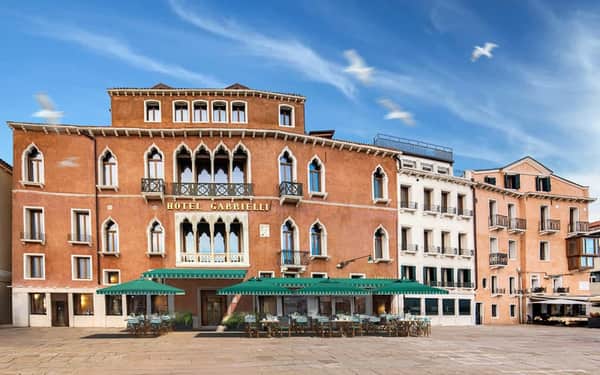
★★★
9.7/10
🇮🇹 Venice, Italy
Hotel Gabrielli Venezia - Starhotels Collezione
pets stay free
€145/night
See rates →
★★★
9.7/10
🇫🇷 Lyon, France
Les Suites de l'Ile Barbe
pets stay free
€115/night
See rates →
★★★
9.5/10
🇵🇹 Porto, Portugal
Casa da Companhia Hotel & Spa, Vignette Collection by IHG
pet fee €10/night
€70/night
See rates →